

Most of us think we eat for energy — until we try to function where the air itself grows thin.
At altitude, food stops being comfort and becomes chemistry. Every bite must do work.
During high-altitude treks such as Team Kilimanjaro expeditions, climbers learn this lesson fast. Reduced oxygen changes metabolism: the body burns carbohydrates more efficiently than fat because glucose requires less oxygen per ATP molecule. That’s why trekkers thrive on hot porridge, fruit sugars, and honey tea rather than high-fat snacks that sit heavily when the stomach slows.
Protein, too, takes on new importance. Muscles break down faster under stress, and amino acids help preserve endurance and mood. Even mild malnutrition can impair acclimatisation. That’s why expedition menus look deceptively simple — soups, rice, vegetables — but are engineered for digestibility and glycogen replacement, not culinary flair.
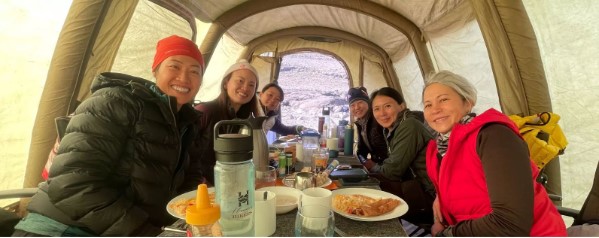
Hydration is the silent ally. Dry mountain air steals moisture with every breath, and altitude increases urine output through a process called diuresis. Dehydration thickens blood and worsens headaches. Smart climbers drink steadily rather than sporadically, learning that prevention weighs less than cure.
Planning your nutrition schedule also means planning your days. Understanding the time needed for the ascent allows trekkers to stage calorie intake: more on long acclimatisation days, lighter on rest days, quick sugar before summit push. It’s a rhythm of fuel and recovery that echoes elite endurance training.
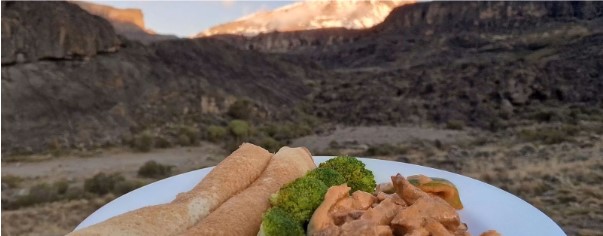
The broader takeaway for everyday health? Altitude exaggerates the principles that apply at sea level:
eat for function, hydrate pre-emptively, respect the feedback of fatigue, and keep meals simple enough that the body recognises them as food, not novelty.
Even if you never climb a mountain, your metabolism still ascends and descends daily — between stress and rest, effort and renewal. Feed it accordingly.