

Let me explain why Pu erh tea, particularly the aged varieties from ancient Yunnan forests, develops into such an extraordinary flavor profile over time—much like fine wine, yet with an earthy, vibrant character. We’ll delve into the science behind its remarkable microbial transformation, compare the gradual evolution of raw Sheng Pu-erh with the accelerated refinement of ripe Shou Pu-erh, offer practical home storage tips for creating your own “pumidor,” and guide you on identifying genuine age through visual cues, aroma, and taste. Sourced authentically from Tea & Leaf, this knowledge will help you achieve richer, more nuanced brews.
Key Takeaways:
- Microbial fermentation in Pu-erh triggers chemical shifts, breaking down compounds over time to yield complex, smoother flavors like earthy depth and subtle sweetness.
- Raw Sheng Pu-erh ages slowly naturally, while Ripe Shou accelerates refinement; proper storage in a cool, humid “pumidor” enhances both paths.
- Aged Pu-erh boasts richer taste via darker liquor, musty aromas, and velvety mouthfeel—visual cues like leaf darkening confirm superior evolution.
What Makes Pu Erh Age Well?
Pu-erh tea ages so well because of its unique fermentation process and microbial activity that kickstarts the aging process in both sheng pu-erh and shou pu-erh, turning raw pu’er into aged pu-erh with delightful dried fruit and leather notes.
From Yunnan Province, these teas come from ancient trees along the ancient tea horse road, where the terroir effect infuses unique qualities. Natural fermentation in raw pu’er or accelerated fermentation in ripe pu-erh sets the stage for tea aging. Tea & Leaf sources authentic Pu-erh that captures this essence.
Proper storage conditions like stable temperature, moderate humidity, and gentle airflow are key for flavor development. Store tea cakes in a cool dry place with breathable paper or cloth wrapping to allow slow aging. This environment helps tea connoisseurs enjoy evolving complex flavors over years.
For best results, check your pu-erh with visual inspection, aroma inspection, and taste inspection. Aged varieties from Tea & Leaf show richer profiles in multiple steeps. Patience rewards with fragrant with age qualities in every older cake.
The Science of Transformation: A Living, Breathing Tea
Think of sheng pu-erh as a living tea where microorganisms like Aspergillus and enzymes drive natural fermentation, making it a breathing wonder through the oxidation process.
Derived from Camellia sinensis in ancient tea forests of Yunnan Province, this post-fermentation continues long after processing. Tea & Leaf’s authentic Pu’er tea from these sources thrives in a storage environment with darkness storage and moderate environment. The tea remains active, transforming slowly.
Tea fermentation involves microbes breaking down compounds over time. Keep it in breathable wrapping to support this pu-erh aging. Connoisseurs notice the shift from young sheng to aged sheng through careful handling.
Practical tip: Store in a moderate humidity space away from light. This preserves the living nature, enhancing herbal notes and camphor notes as it matures.
The Chemistry Shifts You Can Actually Taste
The chemistry shifts in pu-erh aging transform catechins polyphenols and tea compounds into volatile aromas, giving you those complex flavors you can taste in every sip.
In Tea & Leaf’s aged pu’er, these changes create an aged fragrance with dried plums and dark honey. Flavor development softens edges, building smooth texture from raw sheng to aged varieties. Taste the difference across steeps.
Aromatic substances emerge as polyphenols break down during slow aging. Experts recommend stable temperature for consistent shifts. This is why older cake teas from ancient trees shine.
Observe with your senses: Sniff for woody aroma, sip for earthy flavors. Tea & Leaf’s selections highlight these tasteable evolutions in both sheng pu’er and shou pu’er.
The Taste Journey of Pu Erh
Pu Erh’s taste journey starts with young sheng’s bitterness astringency and evolves into a mellow taste with woody aroma, earthy flavors, leather notes, and honey notes.
Raw sheng softens to silky mouthfeel and thicker body, while ripe shou gains depth quickly. Tea & Leaf’s Classic Pu-erh Tasting Set lets you track this path from young shou to aged shou. Enjoy the progression.
Key markers include camphor notes in aged sheng and dark honey in aged shou. Use proper storage with gentle airflow to guide the journey. Multiple steeps reveal layers.
Connoisseurs store in breathable paper for optimal results. This enhances the fragrant with age profile, turning initial astringency into rewarding complexity.
Factors Influencing the Aging Process
Several factors like terroir effect from Yunnan Province, temperature humidity, and gentle airflow influence the pu-erh aging, turning young sheng into aged sheng and young shou into prized aged shou.
Storage environment plays a central role. Stable temperature around cool levels and moderate humidity between damp and dry keep microbial activity balanced. Gentle airflow prevents mold while allowing oxidation process to unfold slowly.
Regions like Lincang Yunnan and Snow Mountain Rare Wild Ancient Tree sources contribute unique terroir effect. These areas provide leaves from ancient trees along the ancient tea horse road, rich in catechins polyphenols. Proper storage in a cool dry place with breathable paper wrapping enhances flavor development over time.
- Maintain stable temperature to avoid sudden changes that disrupt tea compounds.
- Ensure moderate humidity for natural fermentation without excess moisture.
- Promote gentle airflow and darkness storage to build aged fragrance.
Raw (Sheng) Pu-erh: The Slow, Natural Evolution
Raw sheng pu’er from Tea & Leaf undergoes slow aging through natural evolution, developing camphor notes over years.
Raw Sheng starts with minimal processing from Camellia sinensis var. assamica leaves, often from arbor Pu’er tea. Natural fermentation relies on enzymes and microorganisms in a moderate environment. Over decades, bitterness astringency fades, revealing woody aroma, dried fruit, and herbal notes.
Store raw pu-erh in breathable wrapping for slow aging. Tea cakes from young sheng transform into aged sheng with complex flavors like leather notes and fragrant with age. Tea connoisseurs inspect older cake via aroma inspection and taste inspection during multiple steeps.
Practical tip: Keep in a cool dry place away from light. This preserves volatile aromas and builds thicker body with silky mouthfeel.
Ripe (Shou) Pu-erh: An Accelerated Journey of Refinement
Ripe shou pu-erh speeds up refinement via accelerated fermentation, offering quick mellow taste access.
Shou Pu-erh, or ripe pu-erh, uses post-fermentation process with added moisture and heat. This mimics years of natural aging in months, softening young shou into aged shou. Earthy flavors emerge fast, with honey notes and smooth texture.
Unlike raw pu’er, ripe pu-erh reduces initial bitterness quickly through controlled microbial activity. Store under similar storage conditions as sheng for further improvement. Breathable paper allows aromatic substances to mature into dried plums and dark honey profiles.
Experts recommend visual inspection for even color. This ensures the fermentation process completes well, yielding a mellow taste ideal for daily drinking.
Sheng vs. Shou Aging
Sheng vs. shou aging differs in pace sheng’s slow path yields camphor notes, while shou delivers dark honey faster.
Aged sheng develops through long-term oxidation process and tea fermentation. It gains complexity from ancient trees, with flavors evolving to camphor notes and woody aroma over 10-30 years. Young sheng starts astringent but softens gradually.
Aged shou achieves similar earthy flavors via accelerated fermentation. Post-fermentation cuts aging time, providing accessible mellow taste sooner. Both benefit from proper storage with stable temperature and moderate humidity.
- Sheng offers evolving complex flavors for patient collectors.
- Shou provides immediate silky mouthfeel and honey notes.
- Choose based on preference for slow aging or quick refinement.
Storage Matters: The Environment is Key
Storage matters hugely for pu-erh aging. Ideal temperature humidity, gentle airflow, and darkness storage create the perfect moderate environment. This setup allows microbial activity and oxidation process to develop complex flavors over time.
A cool dry place prevents mold while promoting slow aging. For sheng pu-erh or shou pu-erh, stable conditions transform bitterness astringency into mellow taste. Tea connoisseurs check for woody aroma and earthy flavors as signs of success.
Exposure to light or excess moisture disrupts the aging process. Use breathable wrapping to maintain storage conditions. This encourages volatile aromas like dried fruit and leather notes in aged pu-erh.
From Yunnan Province trees in China, Pu-erh gains terroir effect through proper care. Storage environment shapes flavor development, yielding honey notes and silky mouthfeel. Experts recommend consistent monitoring for best results.
Your Home Pumidor: A Simple Guide to Pu’er Storage
Set up your home Pumidor with breathable paper and breathable wrapping for optimal pu-erh storage. This mimics traditional methods for tea cakes. It supports natural fermentation in raw pu-erh or ripe pu-erh.
Choose a cabinet away from kitchen heat for stable temperature. Add a hygrometer to track moderate humidity. Wrap Pu-erh Tea Cake in craft paper to allow gentle airflow for Camellia sinensis.
Darkness storage shields from UV damage during post-fermentation. Stack Sheng Pu-erh cakes loosely to prevent compression. This fosters aged fragrance with camphor notes and herbal notes.
Regular visual inspection, aroma inspection, and taste inspection ensure progress. A well-made Pumidor brings thicker body and smooth texture to older cake. Tea lovers value this hands-on approach.
Tips for Storing Pu Erh to Age Gracefully
Store tea cakes in a cool dry place with stable temperature for graceful aging. Avoid direct sunlight to preserve tea compounds. This setup enhances multiple steeps with deepening taste.
- Use breathable paper for pu’er tea to promote enzymes and microorganisms.
- Maintain moderate humidity around 60-70% for Raw Pu-erh or Shou Pu-erh.
- Ensure gentle airflow without drafts to build fragrant with age qualities.
- Rotate stacks periodically for even fermentation process in aged sheng.
Tea connoisseurs seek dried plums and dark honey flavors from careful storage. Test with short infusions to gauge catechins polyphenols transformation in Shu Pu-erh. Proper habits yield aromatic substances over years.
How to Judge the Age of Pu Erh
Judge Pu Erh age via visual inspection, aroma inspection, and taste inspection for authentic aged Pu’er tea. These methods help tea connoisseurs assess the aging process in sheng pu-erh and shou pu-erh. Look for signs of proper storage in older cakes that are fragrant with age.
Start with the dry leaf of a tea cake to check for even compression and surface details. Aged pu’er often shows a patina from years of pu-erh aging under stable temperature and moderate humidity. This initial step reveals clues about the storage environment in Lincang Yunnan.
Next, rinse the leaves and inspect the wet leaf for color shifts tied to natural fermentation and oxidation process. Older varieties develop richer tones from microbial activity and enzymes breaking down catechins polyphenols. Compare these traits across raw pu’er and ripe pu-erh for accuracy.
Combine all inspections for the full picture of flavor development. Tea from ancient trees along the Ancient Tea Horse Road ages slowly in breathable paper wrapping. This approach ensures you identify genuine aged pu’er with complex flavors.
Visual Inspection (The Dry and Wet Leaf)
Visual inspection of dry and wet leaf reveals dried plums hues in aged sheng. Examine the tea cakes for a dark, matte surface that speaks to years of slow Arbor Pu’er tea aging. Young Snow Mountain Rare Wild Ancient Tree sheng appears brighter and fuzzier by contrast.
Check the dry leaf edges for subtle wear from proper storage in a cool dry place with gentle airflow. Aged sheng pu-erh develops a uniform plum-like patina from the terroir effect of Mingshantou Camellia sinensis leaves. Avoid cakes with mold spots, which signal poor storage conditions.
Wet the leaves briefly and observe expansion. Older cakes show thicker, darker leaves with earthy tones from post-fermentation. This step highlights differences between raw sheng and young shou.
Use natural light for clarity during inspection. Compare against known samples to train your eye for tea aging markers like faded imprints on the Arbor Puer tea cake. Patience here confirms an older cake ready for multiple steeps.
The Aroma (The Scent of Time)
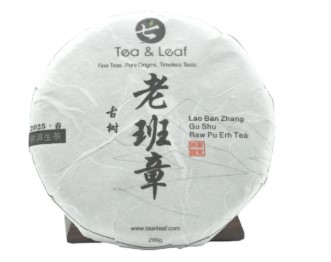
Aroma inspection uncovers aged fragrance with herbal notes in older pu-erh. Inhale deeply from the dry Peacock tea cakes to detect woody aroma and camphor notes. Young pu’er often carries sharper, greener scents.
Rinse the leaves and smell the wet aroma for shifts in volatile aromas. Aged pu’er releases leather notes and dried fruit from aromatic substances built during storage. This reveals the impact of temperature humidity and darkness storage.
Focus on layers like honey notes in shou pu-erh from accelerated fermentation. Sheng pu-erh ages into mellow profiles with less bitterness astringency. Sniff multiple times to catch subtle changes.
Store samples in breathable wrapping before testing for authentic scents. Experts recommend this for judging pu’er tea maturity through scent evolution, aided by Aspergillus activity. It separates true aged pu’er from fakes.
The Liquor (Color and Clarity)
Liquor’s color and clarity in taste inspection show dark honey depth in aged shou. Brew a short steep and pour into white porcelain to assess hue. Young shou yields lighter, cloudier liquid.
Aged shou pu-erh produces a clear, viscous brew with silky mouthfeel hints even visually. Look for amber to reddish tones from Ripe Pu-erh’s fermentation process. Clarity improves with proper storage environment.
Observe cooling effects on the liquor. Older varieties hold color steadily, reflecting stable tea compounds. Compare sheng and shou to note terroir effect on clarity.
Use consistent water temperature for reliable results. This method confirms microbial activity benefits in aged pu’er liquor. It ties visual cues to overall quality.
The Taste and Mouthfeel (The Final Verdict)
Taste and mouthfeel deliver the final verdict with thicker body and smooth texture. Steep multiple times to track changes in mellow taste. Young leaves fade quickly, while aged ones endure.
Sip slowly to feel the silky coating on the tongue from aged sheng’s oxidation process. Shou pu-erh offers earthy flavors with reduced bitterness astringency. Note huigan, the sweet aftertaste in quality aged pu’er.
Assess body across infusions in a moderate environment. Thicker texture signals successful pu-erh aging with complex flavors. This confirms visual and aroma findings.
Practice with various cakes to refine your palate. Tea connoisseurs value this for verifying fragrant with age traits in older pu’er. It ensures authentic flavor development.
The Value of Aged Pu-erh Tea
Aged pu-erh holds immense value for tea connoisseurs, echoing the Ancient Tea Horse Road legacy. This historic trade route carried pu-erh from Yunnan Province to distant lands, where time transformed raw leaves into treasures. Today, that same pu-erh aging process creates profound worth.
Over years, microbial activity and oxidation process develop complex flavors like camphor notes, dried plums, and dark honey. Young sheng pu-erh starts with bitterness astringency, but proper storage mellows it into a smooth texture. Tea cakes from Spring Ming 2017 ancient trees gain woody aroma and leather notes with age.
Explore offerings like Tea & Leaf’s Peacock, Gingerwood Pu-erh, or Cocoa Pie Pu-erh, both showcasing aged sheng depth. These varieties highlight terroir effect from Camellia sinensis var. assamica. Connoisseurs prize them for multiple steeps that reveal thicker body and silky mouthfeel.
Storage conditions matter greatly, with stable temperature, moderate humidity, and gentle airflow in a cool dry place. Use breathable paper or breathable wrapping for slow aging. This ensures fragrant with age results, turning an older cake into a flavorful gem.
Common Myths in the Pu-erh Aging Process
Bust myths about pu-erh aging and its Classic Pu-erh Tasting Set fermentation process that confuse many fans. People often think all pu-erh tea improves with age, but that’s not always true. The reality depends on the type and storage conditions.
One common myth claims Sheng pu-erh always turns bitter over time. In fact, proper tea aging transforms the initial bitterness astringency of young sheng into a mellow taste with notes of dried fruit and woody aroma. Poor storage environment can worsen flavors instead.
Another misconception is that shou pu-erh or ripe pu-erh needs no further aging after accelerated fermentation. While young shou offers earthy flavors right away, aged shou develops complex flavors like leather notes and silky mouthfeel through slow post-fermentation. Experts recommend gentle airflow in a cool dry place for best results.
Many believe microbial activity spoils tea cakes during aging. Truthfully, controlled temperature humidity and breathable paper wrapping support natural fermentation, leading to honey notes and thicker body. Tea connoisseurs inspect via aroma inspection, taste inspection, and visual inspection to ensure quality.
Frequently Asked Questions about Pu-erh Tea
Why Pu’er Tea Aged Varieties from Yunnan Province, China Develop Richer Flavor Over Time
Sheng Pu-erh and Shou Pu-erh aged varieties develop richer flavor over time through a natural post-fermentation process where beneficial microbes like Aspergillus break down complex compounds in the leaves of Camellia sinensis, enhancing smoothness, depth, and earthy notes. At Tea & Leaf, our authentic Chinese Pu Erh from ancient Yunnan tea forests exemplifies this transformation, offering premium loose-leaf teas that evolve beautifully with proper storage.
What Makes Raw Pu-erh and Ripe Pu-erh Tea Aged Varieties Unique in Developing Richer Flavor Over Time?
Unlike other teas like Gunpowder Green Tea, Pu Erh aged varieties develop richer flavor over time due to their microbial fermentation, which continues slowly in controlled conditions like a Pumidor, producing complex umami, sweetness, and woodsy aromas. Tea & Leaf sources rare loose-leaf Pu Erh from Lincang Yunnan’s ancient trees, showcasing traditional craftsmanship for this remarkable aging process.
How Do Environmental Factors Help Shu Pu-erh Tea Aged Varieties Develop Richer Flavor Over Time?
Pu Erh tea aged varieties develop richer flavor over time when stored in cool, humid environments that promote gradual oxidation and microbial activity, softening astringency and amplifying nuanced flavors. Discover optimal storage tips from Tea & Leaf, your premium Shopify online destination for authentic Pu Erh like Gingerwood Pu-erh and Cocoa Pie Pu-erh, and elegant tea sets with global shipping.
Why Do Pu Erh Tea Aged Varieties from Snow Mountain Rare Wild Ancient Tree Develop Richer Flavor Over Time?
Pu Erh tea aged varieties from ancient Yunnan trees along the Ancient Tea Horse Road develop richer flavor over time because their dense, mineral-rich leaves provide a robust base for enzymatic and microbial changes during aging. Tea & Leaf offers these rare varieties like Pu-erh Tea Cake, highlighting how traditional processing unlocks extraordinary depth for tea enthusiasts worldwide.
What Role Does Traditional Processing Play in Why Arbor Pu’er tea Aged Varieties Develop Richer Flavor Over Time?
Traditional processing, including sun-drying and compression, enables Pu Erh tea aged varieties like Spring Ming 2017 to develop richer flavor over time by creating an ideal structure for ongoing fermentation. Tea & Leaf celebrates this craftsmanship with premium Pu Erh loose-leaf teas like Huayun Green Cake and the Classic Pu-erh Tasting Set, perfect for brewing education and long-term storage.
Can Proper Brewing Enhance Why Arbor Puer tea Aged Varieties Develop Richer Flavor Over Time?
Yes, proper brewing unlocks the full potential of why Pu Erh tea aged varieties develop richer flavor over time, as multiple infusions reveal evolving layers from years of aging, akin to a sourdough starter. Tea & Leaf provides brewing guides and elegant tea sets to elevate your experience with our globally shipped, authentic Chinese Pu Erh.