

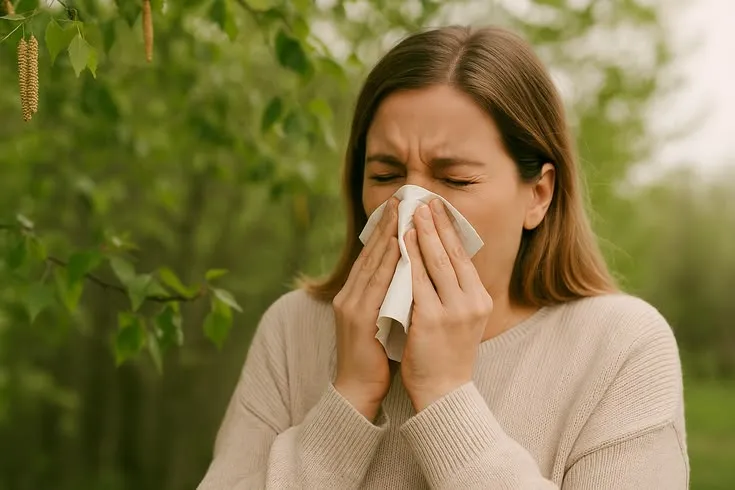
Sneezing repeatedly during a morning walk or waking up with a stuffy nose can make it difficult to concentrate on everyday responsibilities. Although these symptoms are commonly associated with seasonal allergies, they may also indicate a respiratory infection. Since both conditions can cause congestion, sneezing, and general discomfort, identifying the difference is not always straightforward. Understanding typical symptom patterns, recognizing environmental triggers, and knowing when medical evaluation is appropriate can help adults avoid unnecessary treatment while managing respiratory concerns more effectively.
Why Symptoms Often Overlap
Seasonal allergies occur when the immune system reacts to substances such as pollen, mold spores, or other environmental allergens. A common cold, meanwhile, develops from a viral infection affecting the upper respiratory tract. Both conditions can produce sneezing, nasal congestion, and a runny nose. However, allergies commonly involve itchy eyes, while colds may include a sore throat, cough, or mild body aches.
These differences provide useful clues, but symptoms alone cannot always establish the cause. Several respiratory conditions share similar characteristics and may require professional assessment.
Understanding Symptom Duration
The length of symptoms can help distinguish allergies from a typical cold. Common colds often improve within approximately one to two weeks, although some symptoms may continue longer. Seasonal allergy symptoms can persist for weeks when exposure to the triggering allergen continues. Adults consulting Doctors in Owings Mills, MD can discuss recurring respiratory symptoms and whether further evaluation is appropriate.
A clinician may review symptom history, environmental exposures, medications, and other medical concerns before recommending treatment. Persistent congestion should not automatically be attributed to seasonal allergies without considering possible alternative explanations.
Recognizing Environmental Triggers
Outdoor pollen levels often influence seasonal allergy symptoms. Some individuals notice increased sneezing after gardening, walking through grassy areas, or spending time outdoors during particular seasons. Indoor allergens, including dust mites, mold, and pet dander, may also contribute to persistent discomfort.
Recording when symptoms become worse can help identify possible patterns. For example, symptoms that consistently increase after outdoor exposure may suggest an environmental trigger.
However, self-observation cannot replace an accurate diagnosis. Individuals experiencing recurring symptoms may benefit from discussing their findings with a healthcare professional rather than repeatedly experimenting with unsuitable treatments.
Choosing Appropriate Symptom Relief
Treatment depends on the underlying cause. For seasonal allergies, healthcare professionals may recommend antihistamines, certain nasal sprays, or other approaches based on symptom severity and medical history. A common cold generally improves with time and supportive care, including rest and appropriate hydration.
Antibiotics do not treat ordinary viral colds and should not be used without a valid medical indication. Over-the-counter medications also require care. Certain decongestants may be unsuitable for people with high blood pressure or other medical conditions. Reviewing medication labels and consulting a pharmacist or clinician can help prevent avoidable complications.
Knowing When Medical Care Matters
Mild nasal congestion may not require an immediate appointment. However, persistent symptoms, worsening discomfort, or uncertainty about the cause can justify medical evaluation. Patients considering a Same Day Appointment in Owings Mills, MD can contact First Medical Associates to ask about available appointments for suitable non-emergency concerns.
A high or persistent fever, significant facial pain, or worsening symptoms may require additional assessment. Severe breathing difficulty, chest pain, or other potentially life-threatening symptoms require emergency assistance rather than a routine office visit. Choosing appropriate care depends on severity and individual medical circumstances.
Reducing Future Discomfort
Preventive habits can help individuals manage recurring respiratory symptoms. Monitoring pollen forecasts, keeping windows closed during periods of high allergen exposure, and maintaining clean indoor environments may reduce symptoms for some people. Frequent handwashing and avoiding close contact with individuals who are ill can help limit the spread of respiratory infections.
Adequate sleep and balanced nutrition support general health, although they cannot guarantee protection from seasonal allergies or viral illnesses. People with frequent or severe symptoms should discuss longer-term management strategies with a healthcare professional instead of relying exclusively on temporary relief.
Conclusion
Seasonal allergies and common colds can produce similar discomfort, but their causes and management approaches differ. Paying attention to symptom duration, environmental exposure, and associated warning signs can support better decisions about medical care. Persistent or unusual symptoms deserve appropriate evaluation rather than repeated assumptions. Through drsfirst.com, adults can explore First Medical Associates’ primary care services and available locations. Understanding respiratory symptoms and choosing suitable treatment can help individuals manage everyday discomfort while avoiding unnecessary medication and delays in receiving appropriate care.